

Advantages and disadvantages of choosing a leather sofa
21 / 06 / 2025
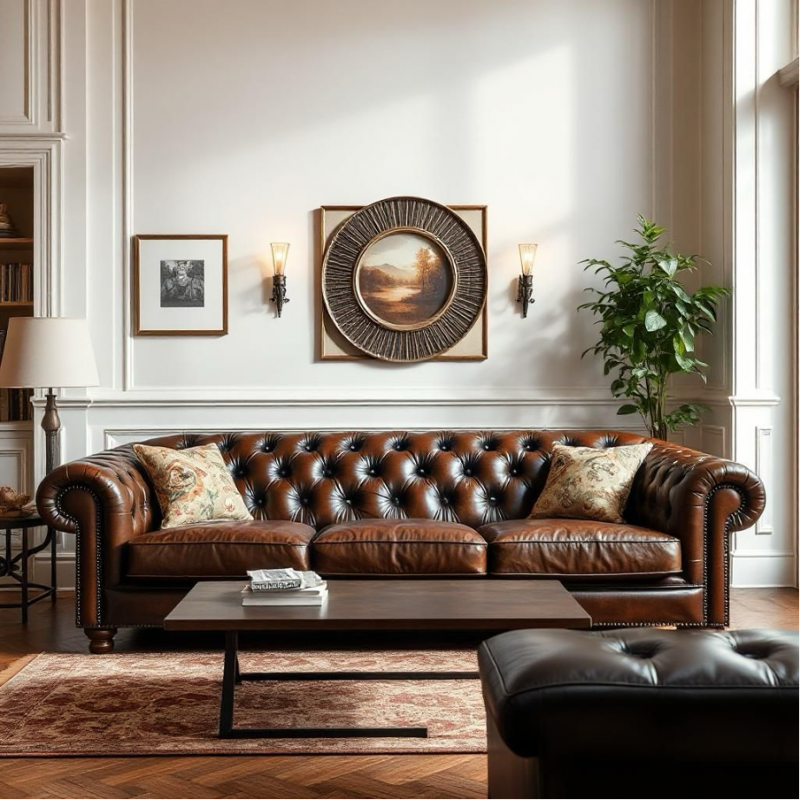
A leather sofa is a classic in interior design. This piece of furniture reflects the prestige of the owners of a home or office. The combination of sobriety and elegance draws attention and adds distinction to the space. However, like any indoor furniture, leather sofas have their own characteristics. Before buying them, it is advisable to analyze their advantages and possible disadvantages in order to choose the ideal option.
Advantages of a genuine leather sofa
Leather furniture has always been considered a symbol of high quality, prestige, and good taste. They are chosen for both cozy living rooms and elegant offices, where not only comfort matters, but also environmental care. Genuine leather combines aesthetic appeal, durability, and ease of maintenance, making it one of the most popular materials for upholstering furniture. Over time, a leather sofa develops an even more distinguished appearance, and its tactile properties make relaxation as comfortable as possible.
Leather furniture has a number of undeniable advantages that make it a popular choice for both home and office.
Easy Care
Pet hair and dust do not accumulate on leather surfaces. To keep them clean, simply wipe them with a damp cloth once a week. For additional care, special conditioners for genuine leather are used, which help maintain the material's softness and elasticity.
Water-Repellent Surface
Leather hardly absorbs moisture, which makes cleaning furniture against accidental liquid spills easy. If the sofa gets stained with juice, tea, or coffee, simply dry it quickly with a dry napkin. This is especially important for families with children and pets.
Comfort in any season
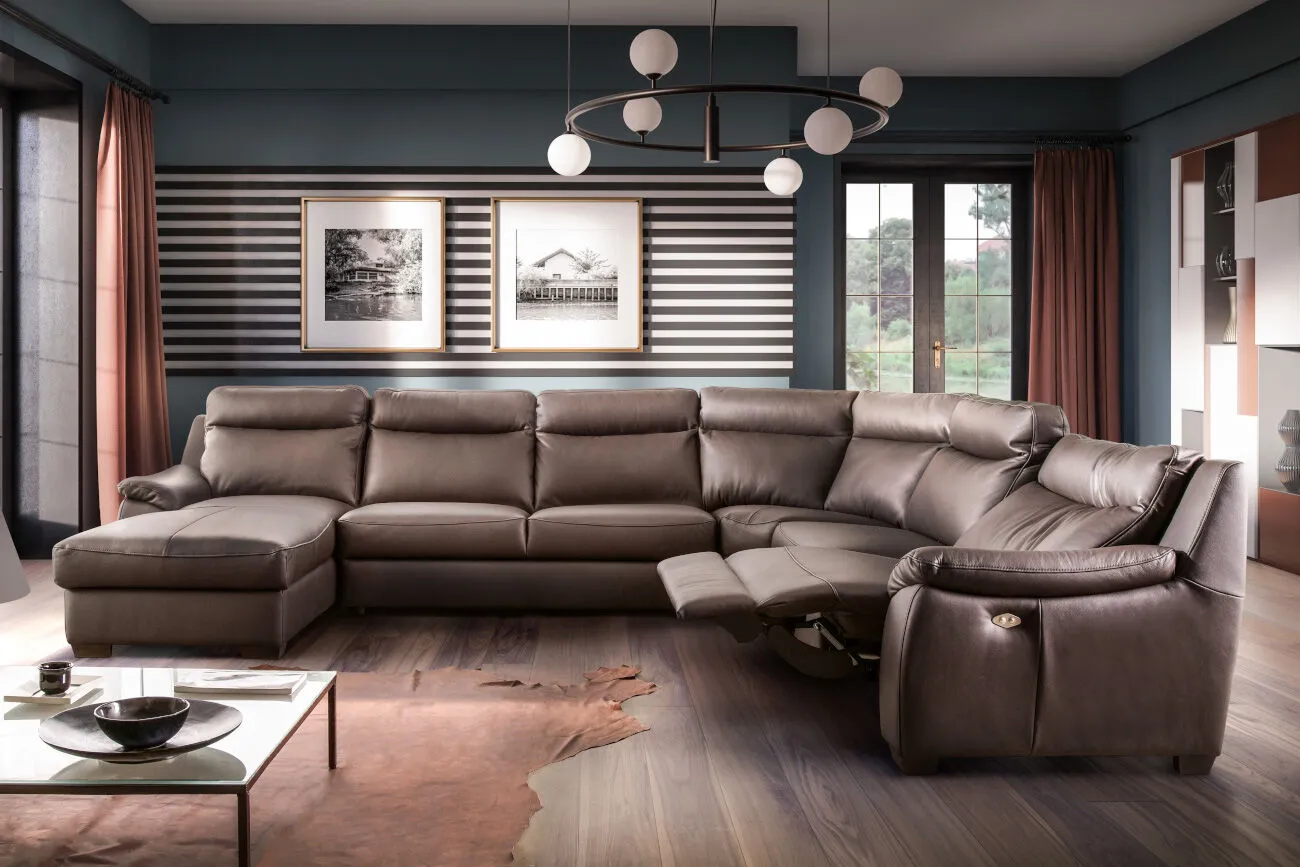
Genuine leather is a breathable material that adapts to changes in temperature, providing comfort throughout the year.In cold weather, it warms up quickly from body temperature, creating a cozy and pleasant feeling to the touch. In summer, the leather stays relatively cool, as it does not retain heat as intensely as synthetic materials. Comfort is also influenced by the type of finish and the quality of leather processing: aniline and semi-aniline preserve their natural texture and breathable properties, while lacquered coatings may be less temperature-regulating. The use of textile accessories, such as blankets or pillows, also helps adapt the sofa to individual preferences during different times of the year.
Hypoallergenic
A leather sofa is an excellent solution for people with allergies. Unlike fabric upholstery, leather does not accumulate dust mites, allergens, or pet hair, making it a safe option for those who suffer from allergies.
No static electricity
Unlike textiles, leather does not generate static on clothing or hair. This makes it especially convenient for offices and living spaces, where it is important to avoid the buildup of static charge.
Aesthetics and prestigeLeather sofas are invariably associated with luxury, exquisite taste, and the high status of their owner. They bring a sense of elegance to the interior, highlighting refined style and attention to quality materials. Thanks to the variety of shades, textures, and types of leather processing, these sofas integrate seamlessly into both classic interiors with Baroque or Art Deco decorative elements and modern minimalist spaces, high-tech lofts, or industrial settings. Genuine leather adds depth and expressiveness to furniture, and over time it develops a noble patina, making the interior even more authentic. When choosing a leather sofa, the owner is investing not only in comfort but also in an interior status element that will emphasize their sense of style and their desire for quality.
Disadvantages of leather sofas
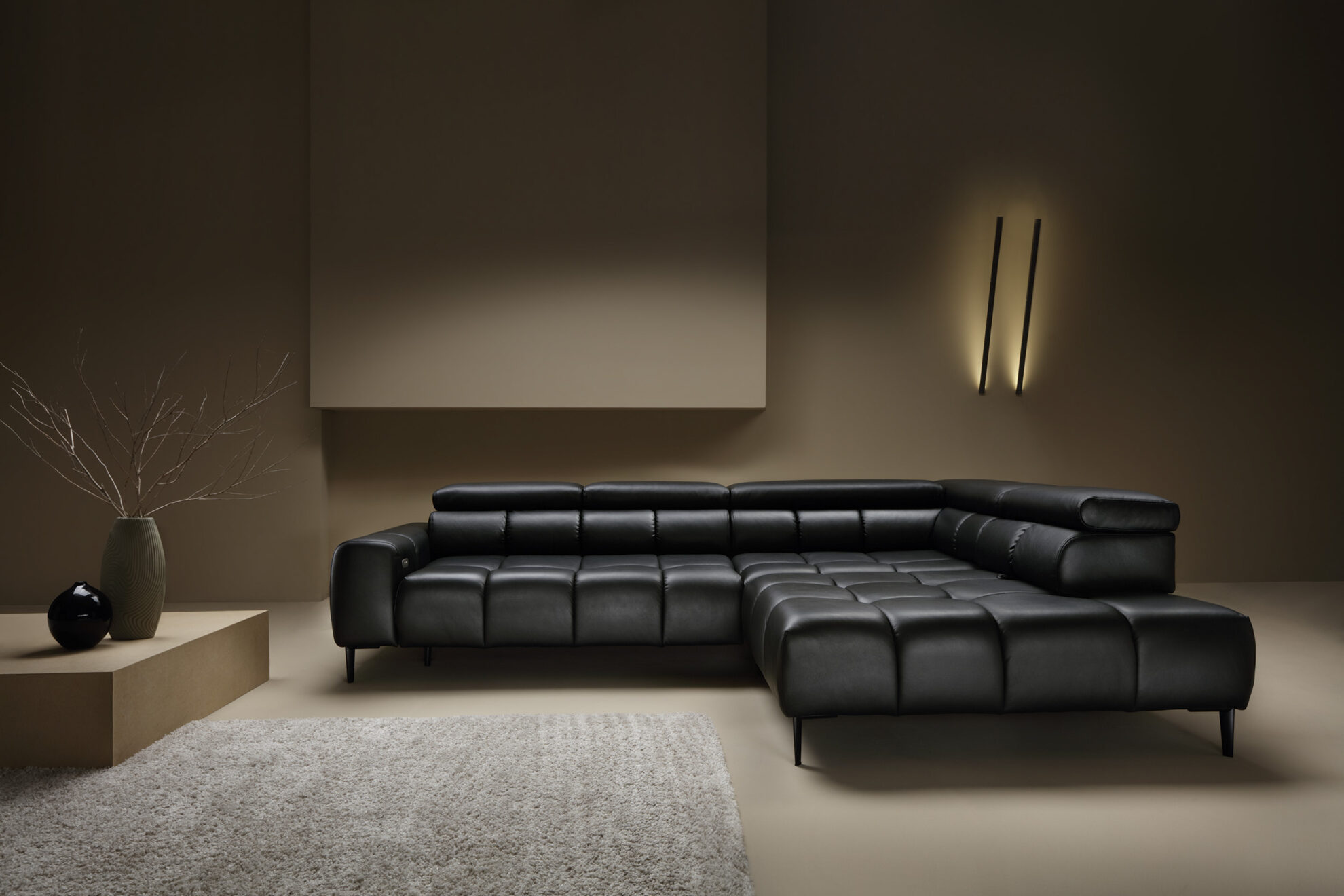
Despite their numerous advantages, leather furniture also has disadvantages that should be considered when choosing.
High cost
High-quality leather sofas are much more expensive than their fabric-upholstered counterparts. However, this high price is offset by the durability and prestige of the material.
Demanding with environmental conditions
Leather is sensitive to direct sunlight, temperature changes, and low humidity. To prevent it from drying out and cracking, it is important to keep the room’s humidity between 40% and 60% and not place furniture near radiators.
Vulnerable to mechanical damage
Sharp objects, pet claws, and metal elements on clothing can scratch leather. Therefore, those who have leather sofas should be careful when using them.
Sensitive to moisture and sweat
Although leather repels moisture, it does not absorb sweat, which can cause a sticky feeling in warm climates. Covers or throws that can be used in the warmer months can help address this problem.
Limited functionality for sleepingA leather sofa may be less comfortable for sleeping, as bedding can slide and the surface may be cold. To make the sleeping area more comfortable, you can use a mattress topper or a blanket.
News

